If you run a small business in India, understanding Small Business GST is extremely important. GST helps you stay compliant, build trust, grow your business, and avoid penalties. Good news? GST rules for small businesses are simple, and most businesses fall within easy thresholds.
In this guide, we explain everything about Small Business GST—registration limit, documents, process, benefits, rules, and why GST is important for growing businesses.
✅ What is Small Business GST?
Small Business GST means the GST rules and registration requirements designed specially for small traders, shop owners, freelancers, service providers, manufacturers, and startups.
If your annual turnover crosses the GST threshold, you must register for GST.
🔢 GST Registration Limit for Small Business (2025)
✔ Goods Business
- ₹40 lakh annual turnover → GST registration required
- Earlier it was 20 lakh, now increased.
✔ Service Business
- ₹20 lakh annual turnover → GST registration required
(₹10 lakh for NE states)
✔ E-commerce Sellers
- Must register for GST even if turnover is 0 or below limits
📌 Who Should Register for GST Even Below Limit?
Even small businesses must register if:
- You sell online on Amazon, Meesho, Flipkart
- You do interstate sales
- You import/export
- You want to claim Input Tax Credit (ITC)
- You run a service agency like marketing, design, consulting
📄 Documents Required for Small Business GST Registration
- PAN Card
- Aadhaar Card
- Business address proof
- Electricity bill / Rent agreement
- Bank statement / Passbook
- Passport-size photo
Simple documents → 100% online process.
🚀 Benefits of GST for Small Business
1️⃣ Builds customer trust
Registered businesses look more professional.
2️⃣ Eligible for Government Tenders
Many tenders accept only GST-registered businesses.
3️⃣ You can sell on eCommerce platforms
Amazon / Flipkart require GST.
4️⃣ Claim Input Tax Credit (ITC)
Save extra tax on purchases.
5️⃣ Avoid penalties
No late fees when you follow rules.
6️⃣ Helps in business loans
Banks consider GST returns as income proof.
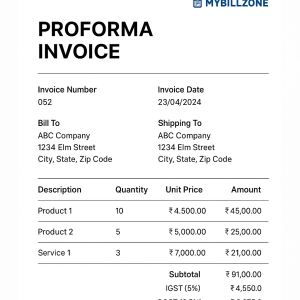
🧾 Types of GST Invoices for Small Businesses
- B2B Invoice (for business clients)
- B2C Invoice (for customers)
- Export Invoice
- Bill of Supply (when GST is not applicable)
- Reverse Charge Invoice
💰 GST Rates for Small Businesses (Basic)
- 5% – Essential items
- 12% – Basic goods
- 18% – Services & most items
- 28% – Luxury goods
🪜 How to Register for GST (Step-by-Step)
- Visit GST portal
- Enter mobile number, email
- Submit documents
- Get OTP verification
- Receive GST ARN number
- After verification, get your GSTIN
The whole process takes 1–3 days.
🛠 GST Compliance for Small Businesses
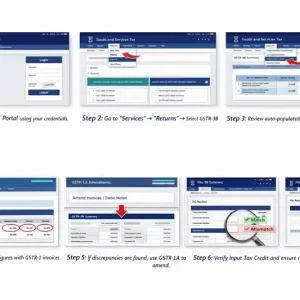
- File GSTR-1 (sales)
- File GSTR-3B (summary return)
- Maintain invoice records
- Keep purchase bills for ITC
- Update business details regularly
🏆 Why Small Business GST Matters in 2025
- More buyers verify GST before ordering
- Government increasing e-invoicing coverage
- Banks prefer GST-filed businesses
- Helps grow small businesses into brands
🔍 Conclusion
Whether you are a shop owner, freelancer, trader, or eCommerce seller, Small Business GST helps you grow faster and stay legally compliant. Registration is simple, free, and gives your business more opportunities.
If your turnover is near the GST limit, it’s better to register early to avoid penalties and get more trust from customers.